Well testing is a crucial process in the oil and gas industry used to evaluate the performance and characteristics of a reservoir. It involves measuring and analyzing the flow of fluids (oil, gas, and water) from a well to gather data about the reservoir’s capacity, pressure, and composition. This information helps operators make informed decisions about production strategies, reservoir management, and future drilling plans.
As part of a service, well testing typically includes specialized equipment and personnel to carry out various tests such as pressure drawdown, build-up, and flow testing. These tests help determine the productivity of the well, the presence of reservoir boundaries, and potential issues such as formation damage or wellbore blockages.
Well testing services are essential for optimizing production, ensuring safe operations, and maximizing the economic potential of an oil or gas field.
Well Test Classification
STATIC >> DOWNHOLE >> WIRELINE
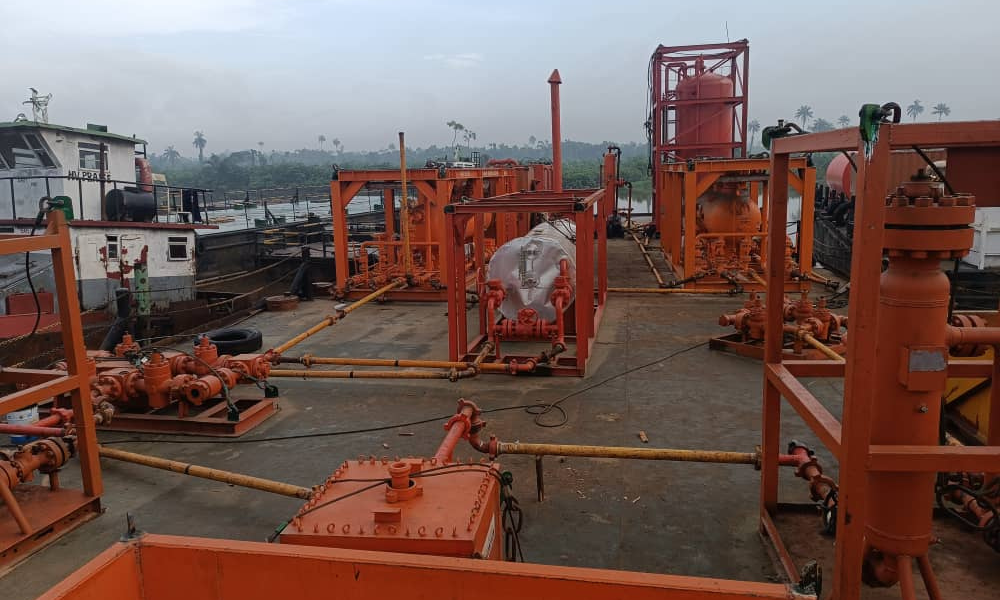
DYNAMIC >> SURFACE >> SURFACE EQUIPMENT
Types Of Well Test
Drill Stem Test – Reservior Economics
Prodction Test – Well Productivity
Inference Test – Communication Between Wells
Multi-Rate Test – Well Deliverability
Draw-down/Build Up Test – Well Productivity
Well Test Design
Data Quality (Manuel and Real-time)
Well Data
Field Inspection
Economics
PFD and P&ID
Equipment Selection and Certification
Safety – JHA, JSP, RA, etc.
Software Simulations – Archtest and PanSys, etc.
Data quality(Manuel or real-time)
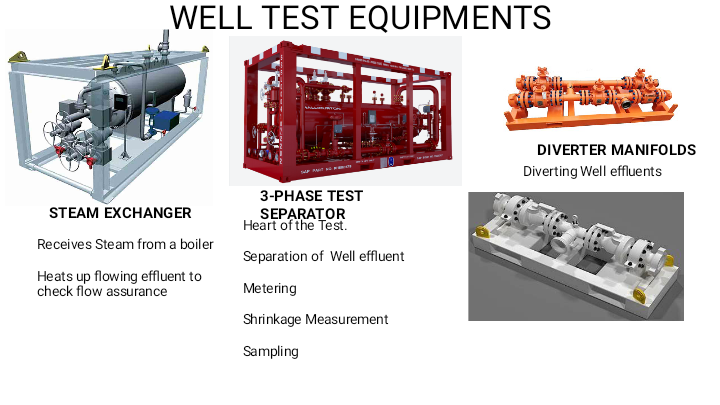
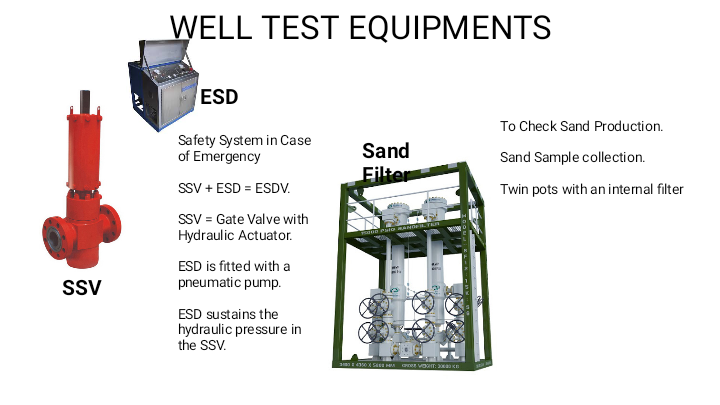
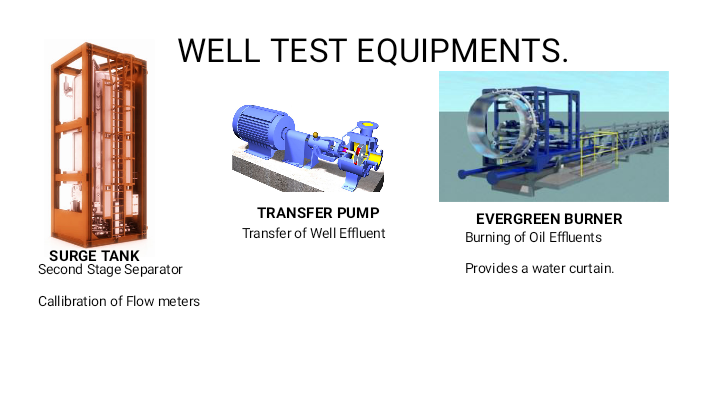
Well Testing Equipment